
This guide explains how to read labels. It is not veterinary advice.
Why is the Calcium-to-Phosphorus ratio critical in puppy food?
Puppies cannot regulate intestinal calcium absorption like adult dogs. An incorrect Calcium-to-Phosphorus balance can cause irreversible skeletal and joint deformities.
The Nutritional Science (In Plain English)
Adult dogs have a sophisticated biological feedback loop: if they consume too much calcium, their intestinal walls down-regulate absorption and excrete the surplus. Puppies under six months of age, however, lack this protective mechanism—their bodies absorb nearly 100% of the calcium in their food, regardless of whether they need it.
Too much calcium in large-breed puppy food is a concern for skeletal development, which is why a calcium ceiling is checked on the label. Ask your veterinarian about your puppy's growth.
This is why veterinary nutritionists pay intense attention to the **Calcium-to-Phosphorus (Ca:P) ratio**. The gold standard safe range is strictly between **1.1:1 and 1.3:1**, with total calcium capped well under 1.8% Dry Matter for large breeds.
What to Look for on the Bag Label
Audit the ingredient list and Guaranteed Analysis table against these label checks:
Must-Have Specifications
- ✓Calcium-to-Phosphorus ratio strictly calibrated between 1.1:1 and 1.3:1
- ✓Maximum Calcium capped under 1.8% Dry Matter (especially for breeds exceeding 70 lbs adult weight)
- ✓Formulation certified to meet AAFCO growth guidelines for puppy development
Watch Out / Avoid
- ✕Adding bone meal, eggshells, or calcium supplements to commercial puppy food
- ✕Adult formulas with uncontrolled calcium levels
- ✕Homemade raw or cooked puppy diets formulated without veterinary nutritionist certification
Example formulas that fit this guide
Picked from label data by the rule shown on each card; examples, not recommendations for your dog.
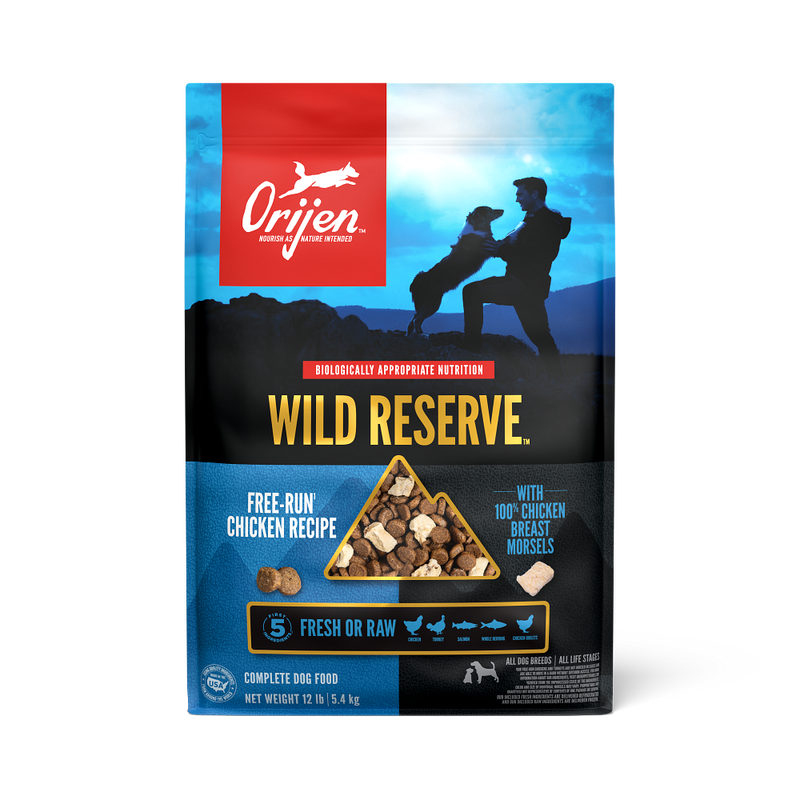
ORIJEN Wild Reserve Free-Run Chicken
Ca:P ratio 1.2:1 (about 1.2:1 from label minimums: 1.2% Ca / 1% P as-fed)
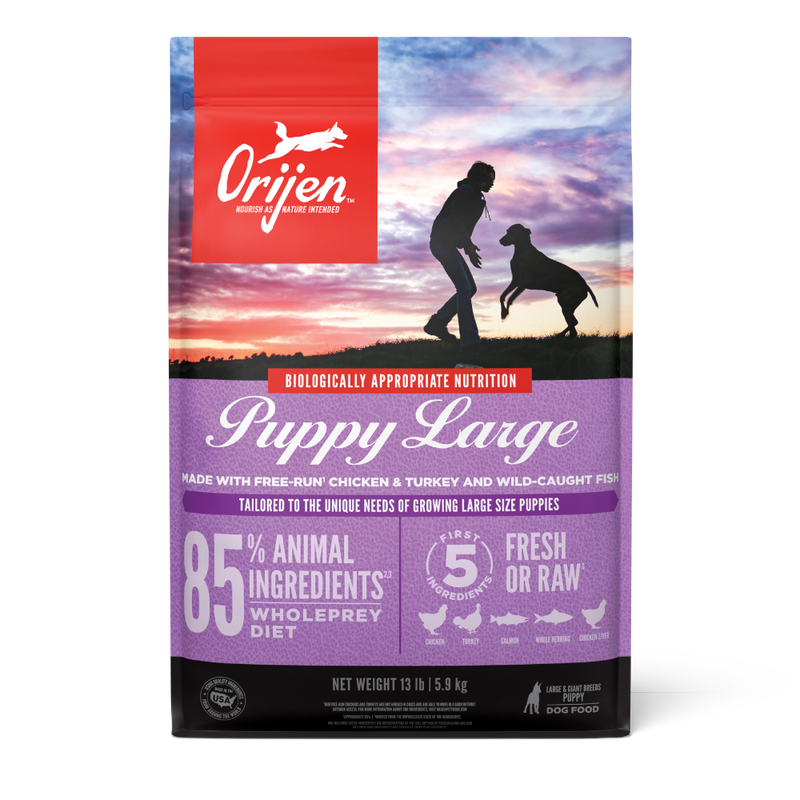
ORIJEN Puppy Large
Ca:P ratio 1.2:1 (about 1.2:1 from label minimums: 1.2% Ca / 1% P as-fed)
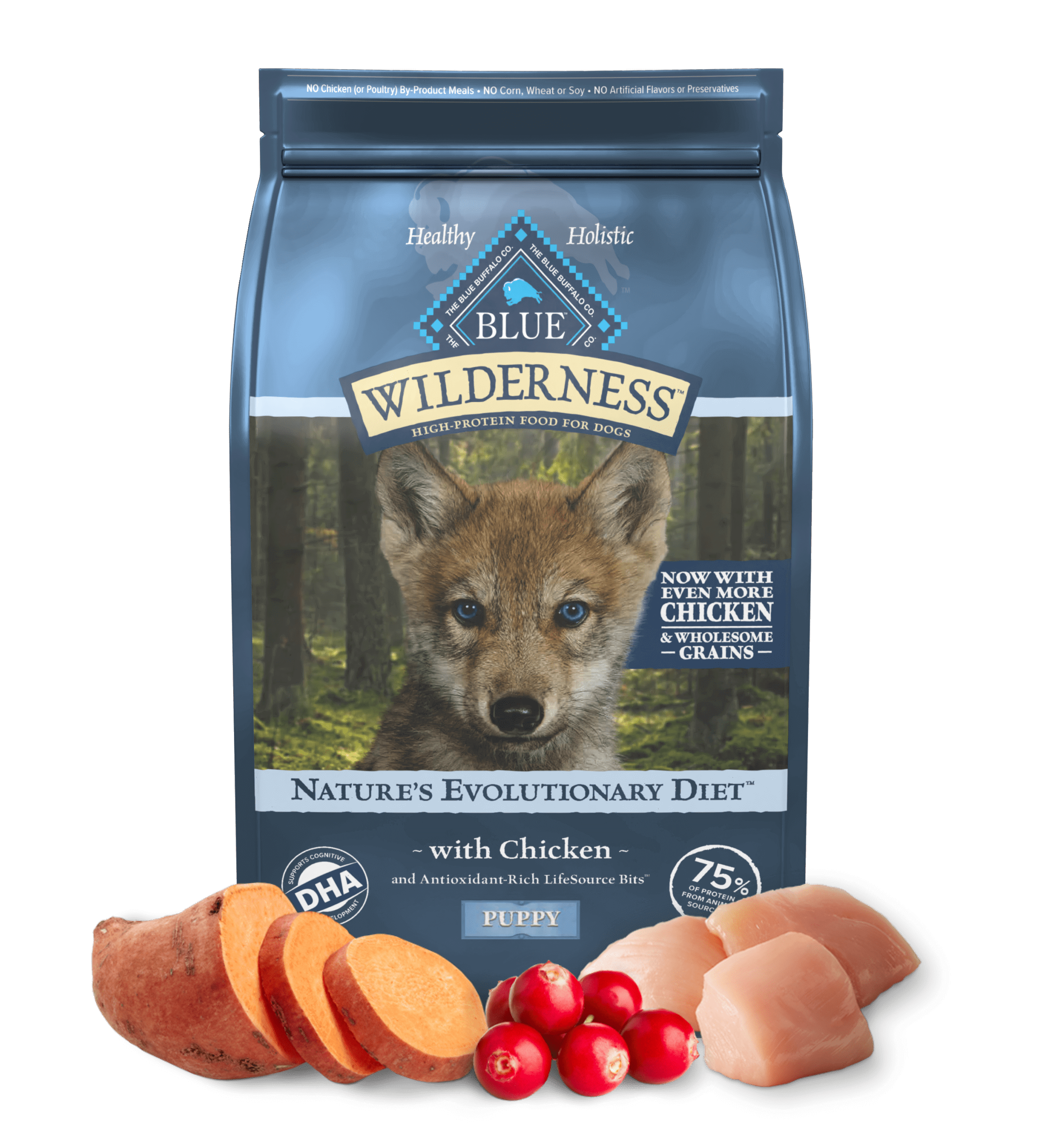
Blue Buffalo Wilderness Puppy Chicken with Wholesome Grains Recipe
Ca:P ratio 1.2:1 (about 1.2:1 from label minimums: 1.2% Ca / 1% P as-fed)
Price pending
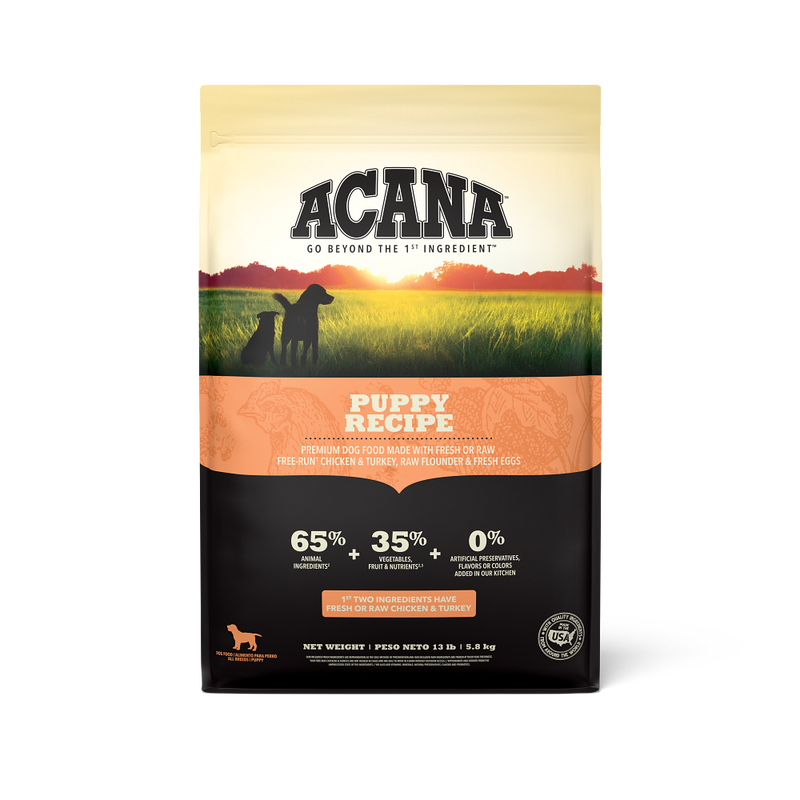
ACANA Puppy
Ca:P ratio 1.2:1 (about 1.2:1 from label minimums: 1.2% Ca / 1% P as-fed)
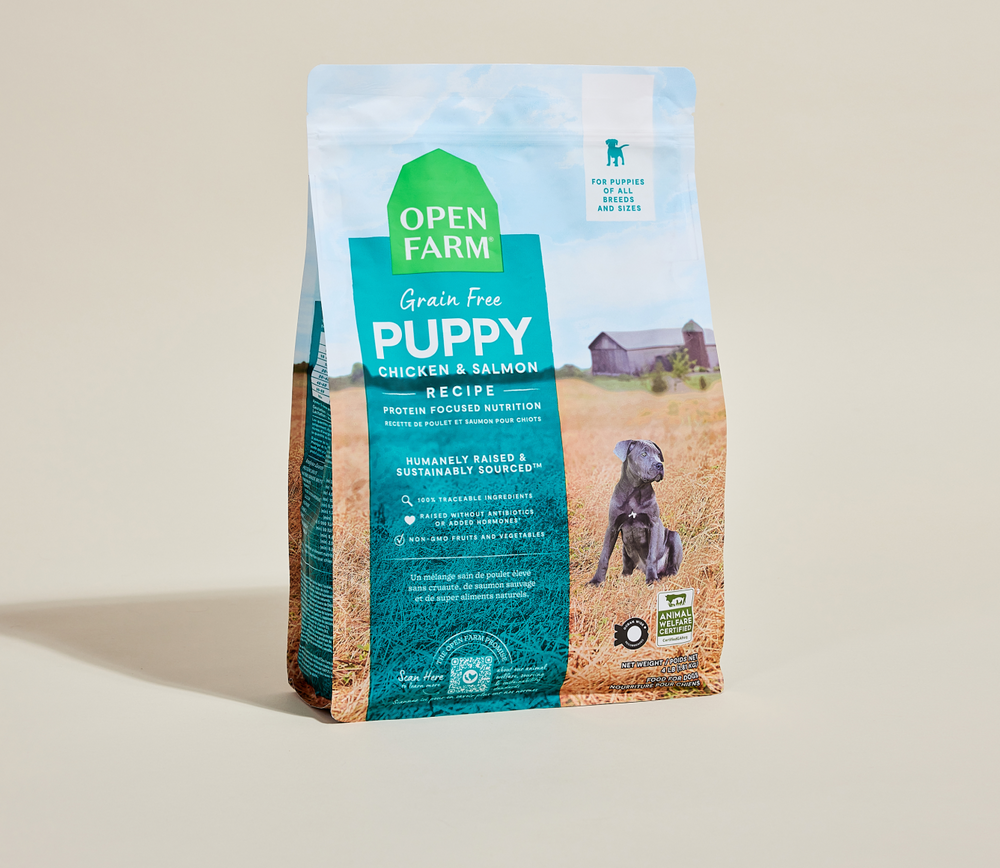
Open Farm Chicken & Salmon Grain-Free Puppy Recipe
Ca:P ratio 1.2:1 (about 1.2:1 from label minimums: 1.2% Ca / 1% P as-fed)
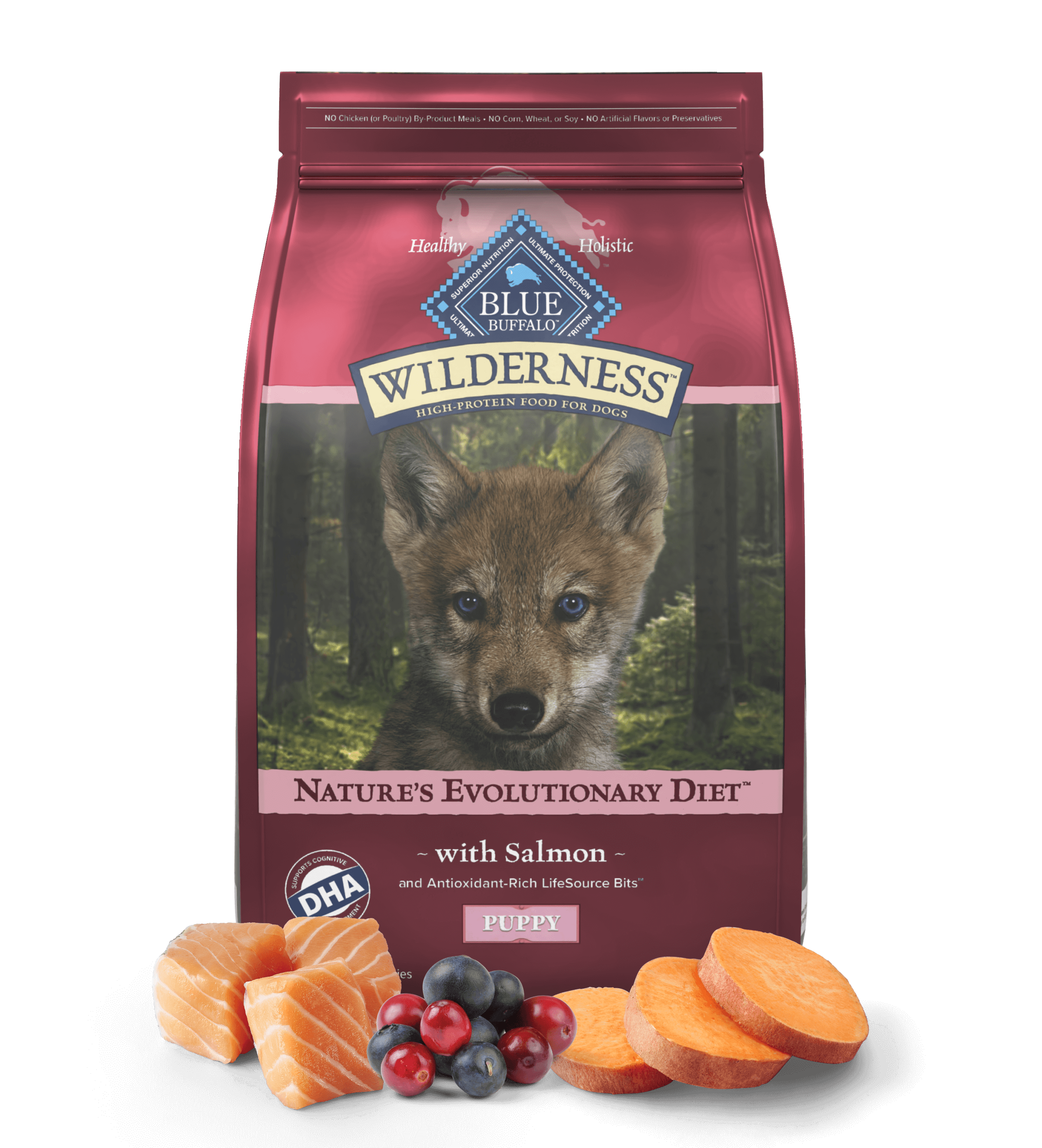
Blue Buffalo Wilderness Puppy Salmon with Wholesome Grains Recipe
Ca:P ratio 1.2:1 (about 1.2:1 from label minimums: 1.2% Ca / 1% P as-fed)
Price pending
Related Guides in this Category
DHA in puppy food: what the label shows
Marine DHA is a fundamental structural fatty acid for developing neural and retinal tissues. Puppies fed verified DHA demonstrate significantly higher trainability and problem-solving skills.
At what age should I transition my puppy from puppy food to adult maintenance kibble?
Small breeds finish skeletal growth around 10-12 months, while large and giant breeds continue developing until 18-24 months and require puppy growth formulas longer.
Disclaimer: This nutritional analysis is intended solely for educational and research purposes. If your dog is exhibiting acute medical symptoms, sudden weight loss, or severe distress, please consult a licensed veterinarian.