
This guide explains how to read labels. It is not veterinary advice.
What does "30/20" mean, and does my active family dog need high-protein sport fuel?
A 30/20 formula delivers 30% crude protein and 20% crude fat, engineered specifically for canine athletes, hunting dogs, and working breeds with relentless daily calorie burn.
The Nutritional Science (In Plain English)
In sporting, hunting, and working dog circles, "30/20" is the gold standard shorthand for high-octane nutrition: **30% Crude Protein and 20% Crude Fat**. Unlike human athletes who rely primarily on carbohydrate glycogen for sprint energy, dogs are metabolically engineered to burn dietary fat as their primary aerobic fuel source.
A true 30/20 athletic formula provides calorie-dense fuel (often exceeding 450 to 500 kcal/cup) that allows hard-working dogs to sustain intense physical stamina without losing body mass or suffering muscle catabolism.
However, context is everything. If you feed a concentrated 30/20 formula to a companion dog whose daily exercise consists of a 20-minute neighborhood stroll, those surplus calories will quickly turn into unhealthy excess weight. Reserve true 30/20 formulas for field trial competitors, search and rescue canines, agility champions, and working sled dogs.
What to Look for on the Bag Label
Audit the ingredient list and Guaranteed Analysis table against these label checks:
Must-Have Specifications
- ✓Verified Crude Protein ≥ 30.0% AND Crude Fat ≥ 20.0% on the GA table
- ✓High Caloric Density (≥ 450 kcal/cup or ≥ 3,900 kcal/kg)
- ✓High-biological-value animal proteins (Chicken, Salmon, Turkey) as primary ingredients
Watch Out / Avoid
- ✕Concentrated dehydrated foods that hit 450+ kcal/cup due to water removal but only have 22% protein and 15% fat
- ✕Feeding 30/20 sport fuel to sedentary, neutered house pets
- ✕Low-quality animal fats that lack Omega-3 antioxidant stabilization
Example formulas that fit this guide
Picked from label data by the rule shown on each card; examples, not recommendations for your dog.
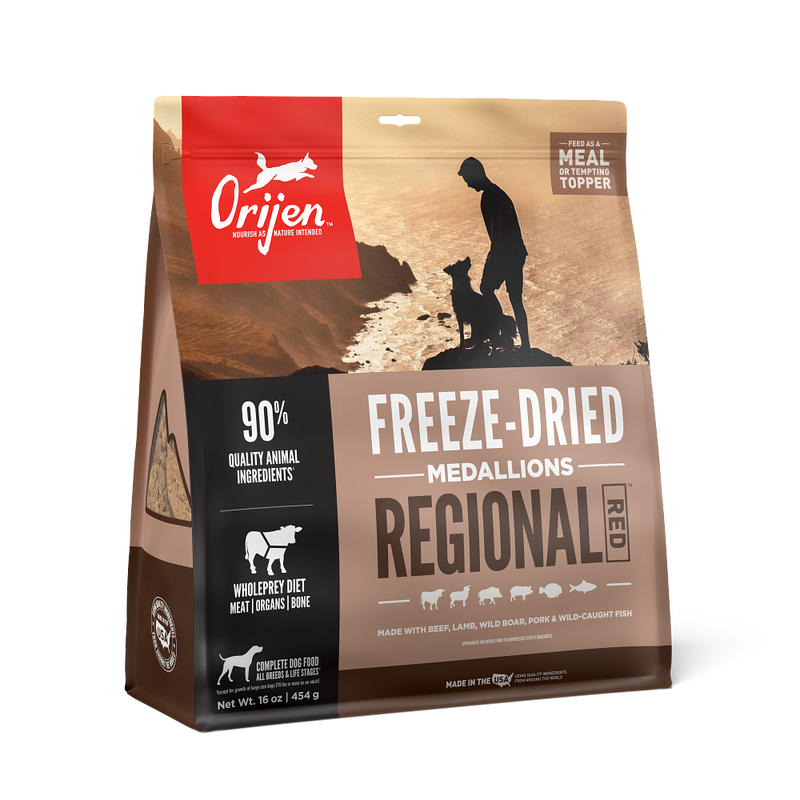
ORIJEN Regional Red, Food Medallions
Protein 36% / Fat 35% as-fed
Price pending
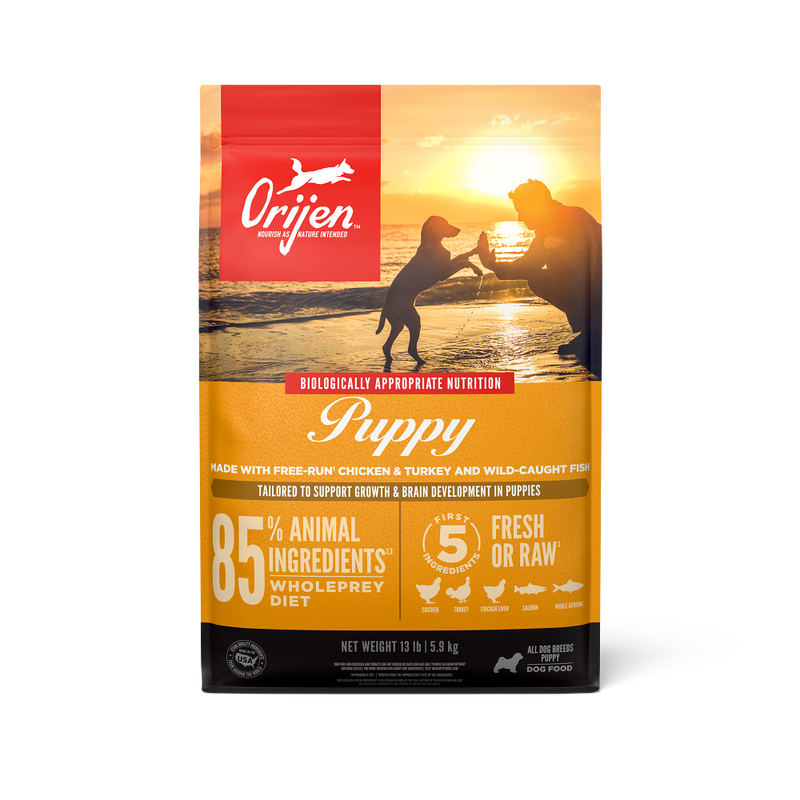
ORIJEN Puppy
Protein 38% / Fat 20% as-fed
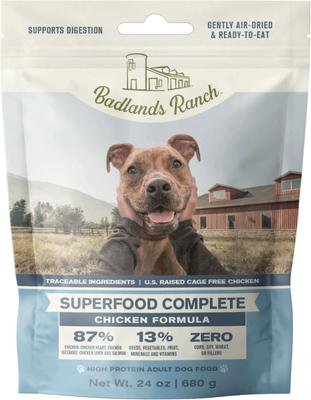
Badlands Ranch Superfood Complete Grain-Free Chicken Air-Dried
Protein 38% / Fat 22% as-fed

Inukshuk Professional Dry Dog Food 32/32
Protein 32% / Fat 32% as-fed
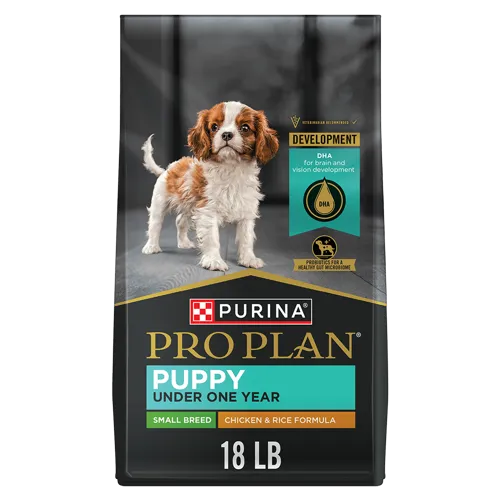
Purina Pro Plan Puppy Small Breed Chicken & Rice Formula
Protein 33% / Fat 20% as-fed
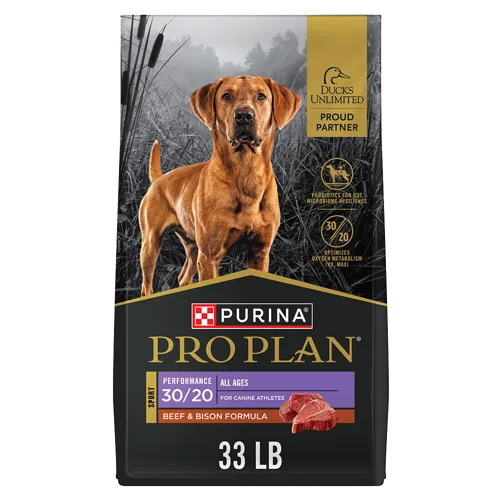
Purina Pro Plan Sport Performance 30/20 Beef & Bison
Protein 30% / Fat 20% as-fed
Related Guides in this Category
Why did my dog gain weight after being spayed or neutered?
Spaying or neutering can lower a dog's energy needs, so portions that worked before may need adjusting. Ask your veterinarian. Switching to a high-fiber, lower-fat formula maintains satiety without fat accumulation.
How do I calculate if a dog food is truly "low calorie" or "weight management"?
Compare kcal per cup and fat on a dry matter basis across weight management foods. A dog that needs to lose weight should follow a plan from your veterinarian.
Low-glycemic dog food: what to check for fiber and carbohydrates on the label
Foods marketed as low-glycemic usually use slower-digesting carbohydrates and more fiber. A label does not state how a food affects blood sugar. Ask your veterinarian about diabetic dogs.
Disclaimer: This nutritional analysis is intended solely for educational and research purposes. If your dog is exhibiting acute medical symptoms, sudden weight loss, or severe distress, please consult a licensed veterinarian.