
This guide explains how to read labels. It is not veterinary advice.
Should senior dogs eat less protein, or do older dogs actually need more?
Protein needs in older dogs depend on the individual dog's health, especially kidney health. Compare protein on a dry matter basis, and ask your veterinarian.
The Nutritional Science (In Plain English)
For decades, an outdated nutritional myth suggested that senior dogs should eat low-protein diets to "spare their kidneys." Modern veterinary research has soundly debunked this misconception: unless a dog has advanced, diagnosed Chronic Kidney Disease (CKD) requiring prescription phosphorus restriction, lowering protein in senior dogs is counterproductive.
As dogs age, their digestive efficiency declines, and protein turnover rates increase. If older dogs are fed low-protein food, their bodies break down their own skeletal muscle tissue for amino acids, accelerating a dangerous condition known as **sarcopenia** (age-related muscle wasting).
Healthy senior dogs need **at least 28% to 32% high-biological-value animal protein** (from clean poultry, fish, or lamb) with high digestibility. This maintains strong leg muscles, supports immune antibody production, and keeps older dogs mobile and active.
What to Look for on the Bag Label
Audit the ingredient list and Guaranteed Analysis table against these label checks:
Must-Have Specifications
- ✓High crude protein (≥ 28.0% - 32.0% on a Dry Matter basis) from named animal sources
- ✓Highly digestible protein sources with a complete amino acid profile
- ✓Moderate, controlled phosphorus levels (< 1.2% DM) for renal peace of mind
Watch Out / Avoid
- ✕Commercial "Senior" diets that drop protein down to 18-20% and replace meat with cheap grain fillers
- ✕Restricting protein in healthy dogs without a veterinary kidney diagnosis
- ✕Unidentified meat meals that are difficult for an aging digestive tract to process
Example formulas that fit this guide
Picked from label data by the rule shown on each card; examples, not recommendations for your dog.
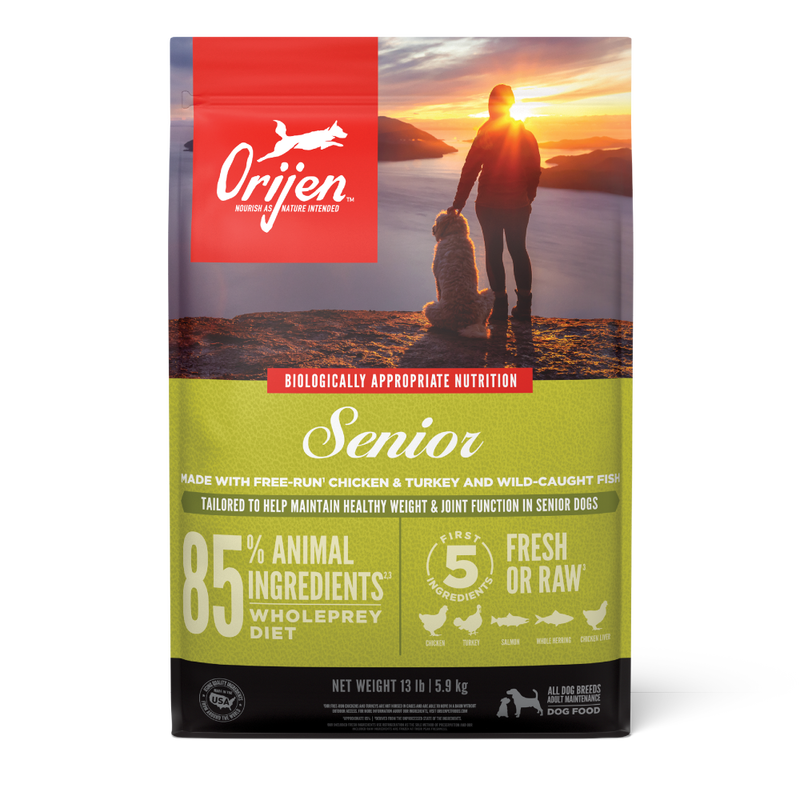
ORIJEN Senior
Senior • Crude Protein 38% as-fed
Price pending
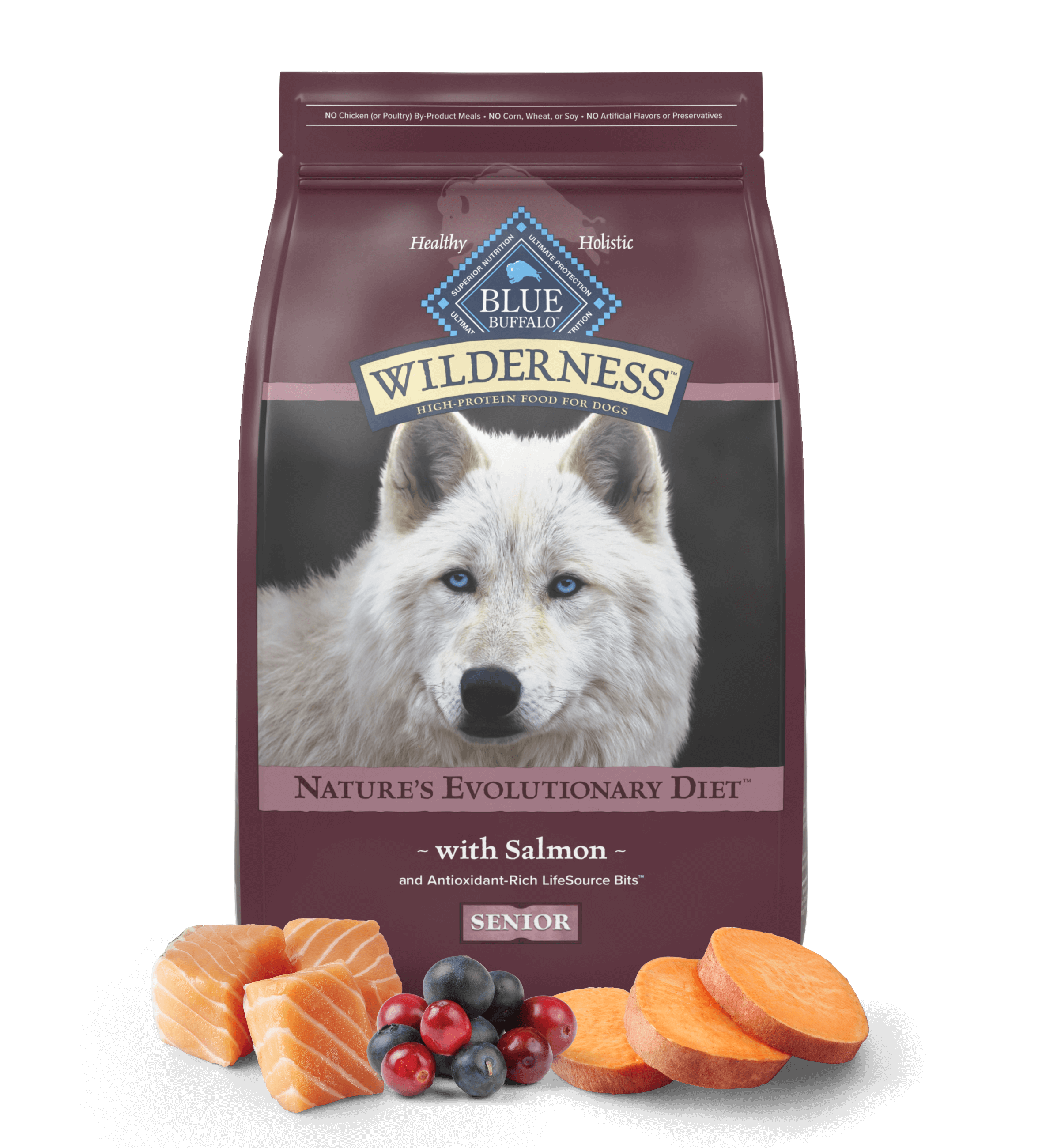
Blue Buffalo Wilderness Senior Dog Salmon with Wholesome Grains Recipe
Senior • Crude Protein 35% as-fed
Price pending

ACANA Senior Dog
Senior • Crude Protein 33% as-fed
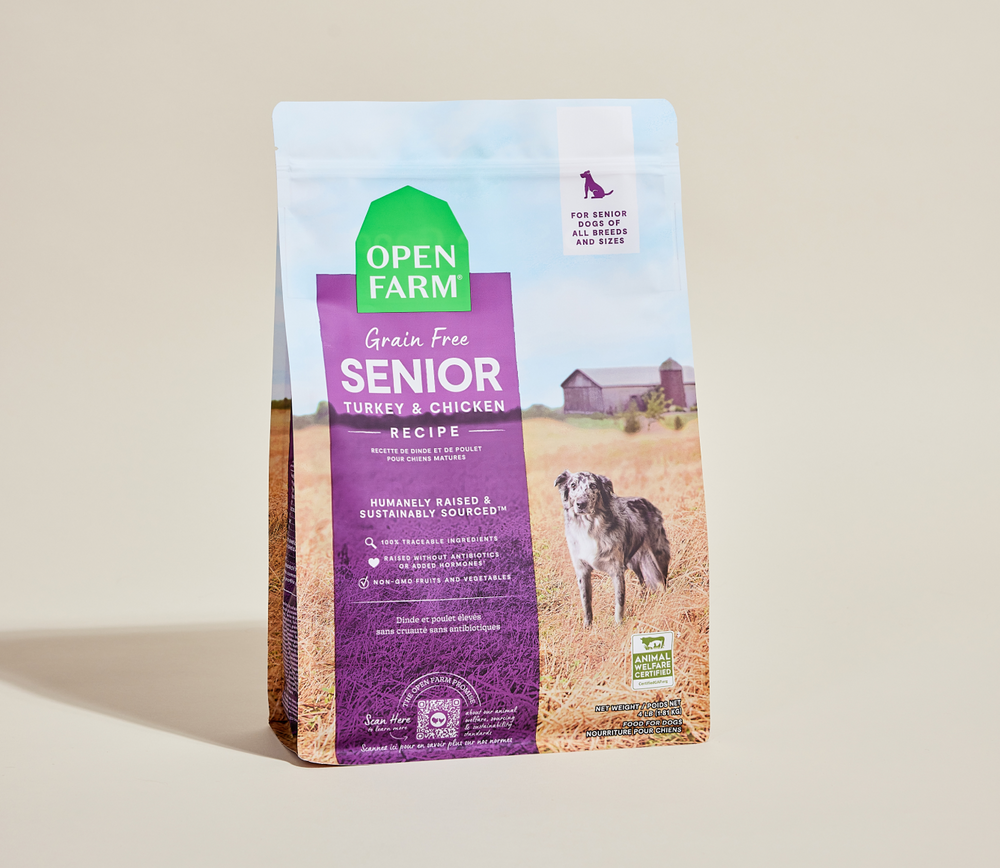
Open Farm Senior Grain-Free Recipe
Senior • Crude Protein 31% as-fed
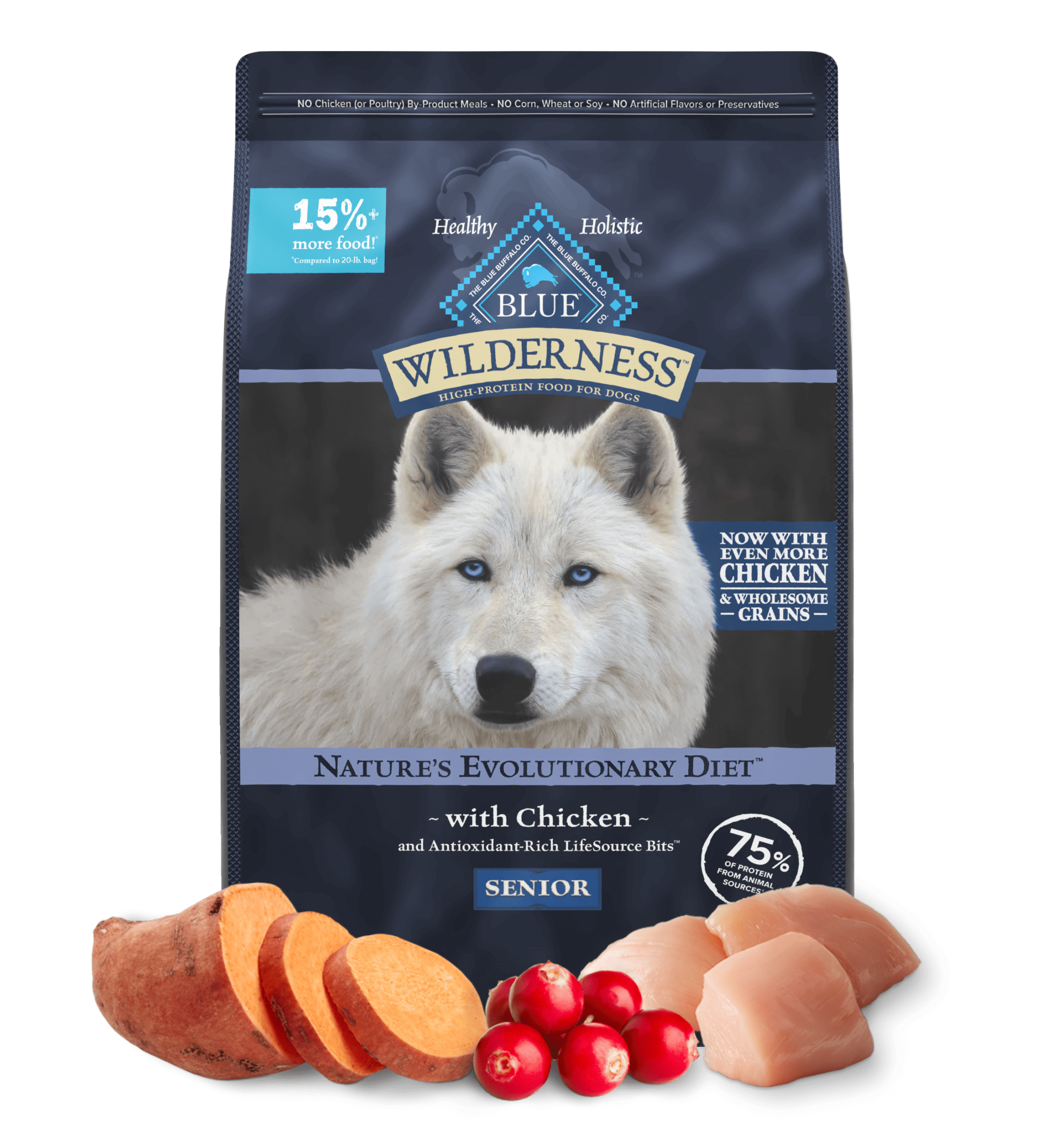
Blue Buffalo Wilderness Senior Dog Chicken with Wholesome Grains Recipe
Senior • Crude Protein 30% as-fed
Price pending

Merrick Lil' Plates Grain Free Senior Real Chicken & Sweet Potato Recipe
Senior • Crude Protein 30% as-fed
Related Guides in this Category
Why does my senior dog wander at night, and can food support cognitive health?
Senior night wandering and disorientation often reflect Canine Cognitive Dysfunction (dog dementia). Diets enriched with MCT oils and antioxidants provide alternative brain energy.
Vitamins and antioxidants in senior dog food: what the label shows
Antioxidants neutralize cellular free radicals, protecting cardiac muscle, retinal tissues, and immune defenses in aging companion dogs.
Disclaimer: This nutritional analysis is intended solely for educational and research purposes. If your dog is exhibiting acute medical symptoms, sudden weight loss, or severe distress, please consult a licensed veterinarian.