
This guide explains how to read labels. It is not veterinary advice.
How much Omega-3 and fish oil does my dog need for a shiny, non-flaky coat?
EPA and DHA are marine omega-3 fatty acids. A label that guarantees them lets you compare foods. Ask your veterinarian about skin and coat concerns.
The Nutritional Science (In Plain English)
Fatty acids are not just energy sources—they are potent cellular signaling molecules. While plant-based oils (like flaxseed and canola) provide Alpha-Linolenic Acid (ALA), dogs lack the enzymes necessary to efficiently convert ALA into active EPA and DHA. Marine sources such as salmon, menhaden, sardine and anchovy oils supply EPA and DHA directly.
Omega-6 fatty acids (found in poultry fat and seed oils) are a normal part of dog food. A label that declares both Omega-6 and Omega-3 lets you compare the balance. Ask your veterinarian about skin and coat concerns.
Guaranteed total Omega-3 and the Omega-6 to Omega-3 ratio are two numbers you can compare across labels. The right amounts for your dog are a question for your veterinarian.
What to Look for on the Bag Label
Audit the ingredient list and Guaranteed Analysis table against these label checks:
Must-Have Specifications
- ✓Marine EPA and DHA explicitly guaranteed on the Guaranteed Analysis table
- ✓Total Omega-3 fatty acids ≥ 0.80% as-fed (or balanced Omega-6 to Omega-3 ratio ≤ 5:1)
- ✓Pure cold-water fish oils (Wild Salmon, Menhaden, Sardine) named in the ingredient list
Watch Out / Avoid
- ✕Claims of "Rich in Omegas" on the front panel with zero Omega-3 numbers in the GA table
- ✕Relying solely on flaxseed meal without any marine EPA/DHA sources
- ✕Expired fats or foods stored in unsealed bags (fats can turn rancid)
Example formulas that fit this guide
Picked from label data by the rule shown on each card; examples, not recommendations for your dog.
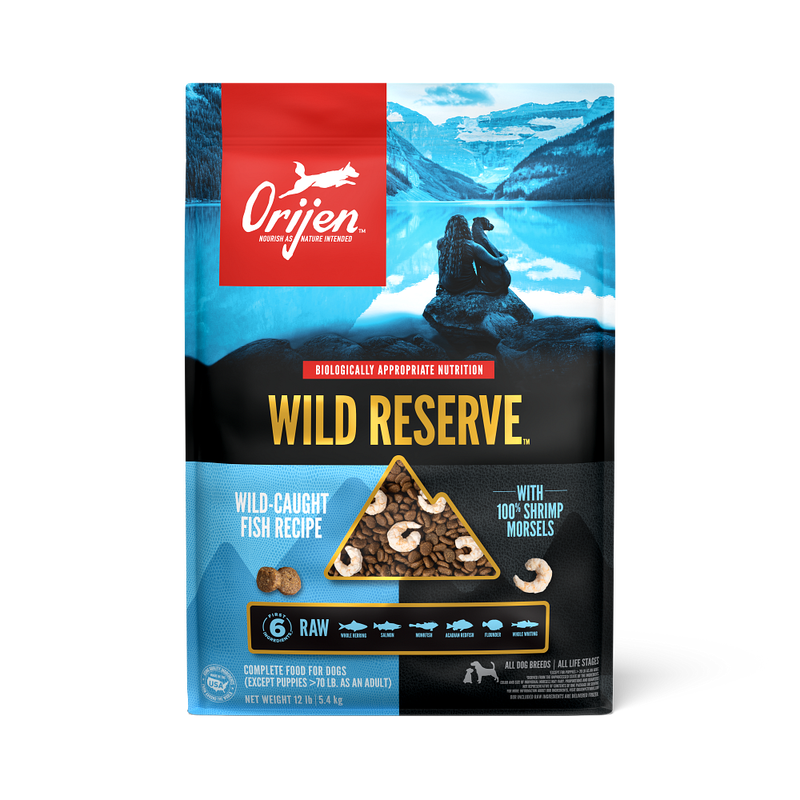
ORIJEN Wild Reserve Wild-Caught Fish
Declares EPA + DHA: 1.1% as-fed
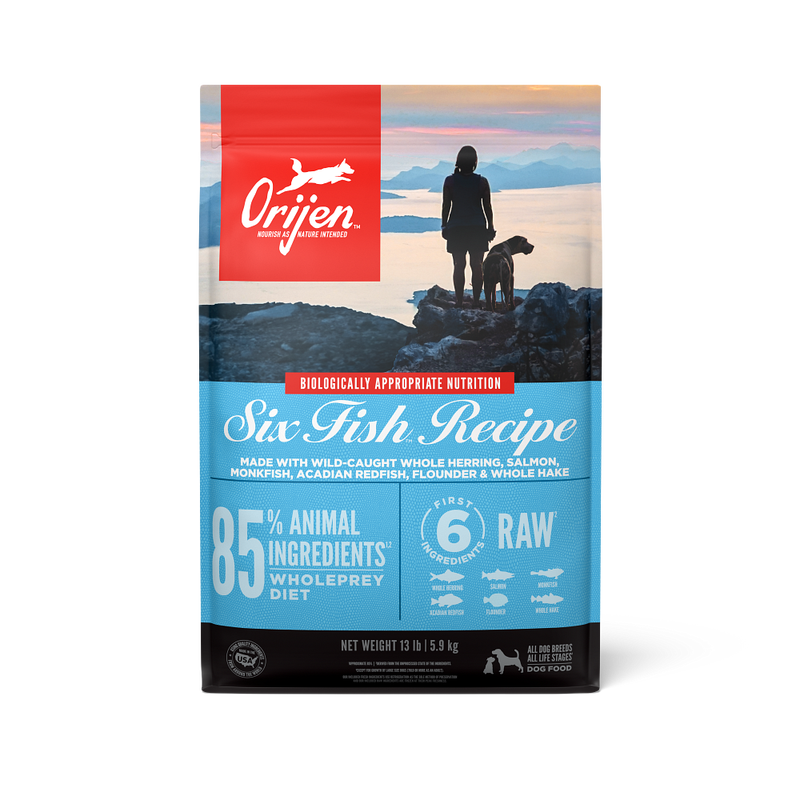
ORIJEN Six Fish Recipe
Declares EPA + DHA: 1.1% as-fed
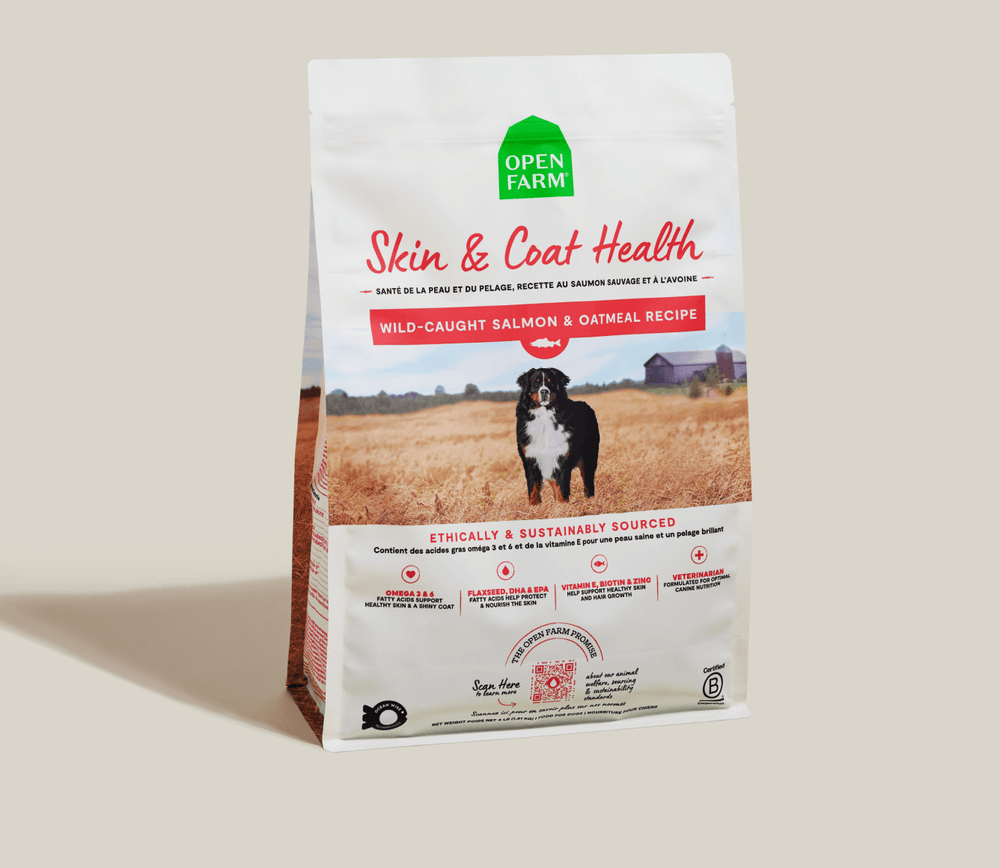
Open Farm Salmon & Oatmeal Skin & Coat Health Recipe
Declares EPA + DHA: 0.8% as-fed
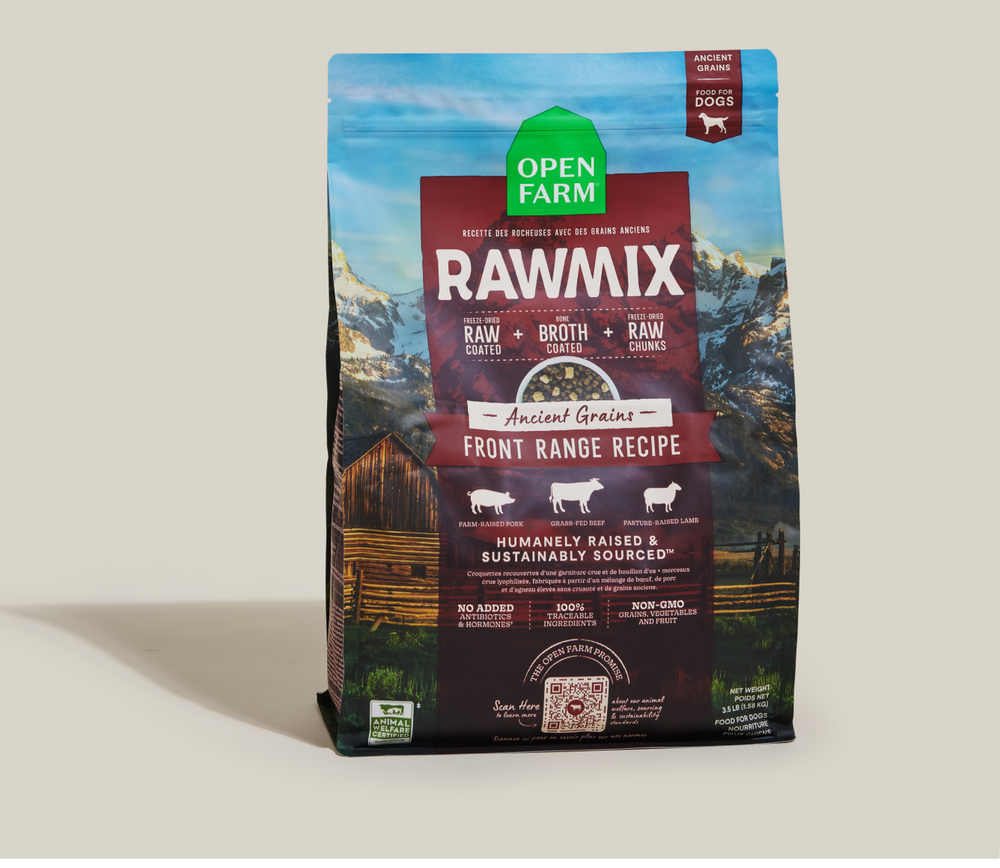
Open Farm RawMix Front Range Ancient Grains Recipe
Declares EPA + DHA: 0.8% as-fed

Primal KIBBLE IN THE RAW DOG FOODBEEF RECIPE
Declares EPA + DHA: 0.78% as-fed
Price pending

Primal KIBBLE IN THE RAW DOG FOODCHICKEN RECIPE
Declares EPA + DHA: 0.62% as-fed
Price pending
Related Guides in this Category
Why is my dog chewing their paws and scratching their ears?
Paw chewing and ear scratching have many possible causes, including food and environmental allergies. Your veterinarian can help find the cause. On a label, you can check which proteins and fats a food names.
What is a Limited Ingredient Diet (L.I.D.), and when does a dog need one?
A Limited Ingredient Diet is built around one named animal protein and a short ingredient list, which makes it easier to see what is in the food. Ask your veterinarian before changing the diet of a dog with allergies.
Grain-free and skin allergies: what a dog food label can and can't tell you
Grain-free is not a guarantee for dogs with allergies, because reported food reactions are more often linked to animal proteins than to grains. The label shows which proteins a food uses. Ask your veterinarian about skin problems.
Disclaimer: This nutritional analysis is intended solely for educational and research purposes. If your dog is exhibiting acute medical symptoms, sudden weight loss, or severe distress, please consult a licensed veterinarian.